Handle heavy chop
Strokes

Ajit Ranganathan Asked 11 months ago
What is the best way to handle heavy chop on both forehand and backhand from the opponent - will drive ever work with heavy chop or top spin is always required?
Video Answer
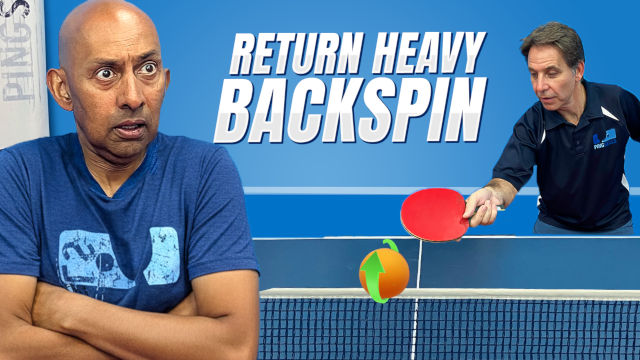
We have filmed a video answer to this question. To watch it you need to be a Premium member. Premium unlocks every video we've ever made, a monthly Video Coaching review with personal feedback from our coaches, and full access to Vault for tracking your opponents and matches.

 Alois Rosario Answered 11 months ago
Hi Ajit,
Against a heavy chop, you have two main attacking options:
-
Topspin (the most reliable choice)
-
A chop has strong backspin, so if you just drive forward, the ball tends to go into the net.
-
By brushing up on the ball, you convert the backspin into topspin, which lifts it over the net.
-
On forehand and backhand, this means a topspin loop or a brushing drive with plenty of upward action.
-
The heavier the chop, the more upward the racket needs to travel, with thinner contact.
-
-
Drive (possible, but risky with heavy chop)
-
A flat drive can work against lighter chop if you adjust your racket angle enough (more open than usual).
-
But the heavier the backspin, the less consistent a flat drive becomes, because the ball will bite into the rubber and drag it downwards.
-
At best, you can use a very controlled, forward stroke with a lot of upward lift in the contact but at that point you’re basically doing a mini topspin anyway.
-
- Push
The other option is to push the ball back with backspin. This is a safe stroke but could lead to your opponent making the attacking stroke.
Question actions
No comments yet!
Become a free member to post a comment about this question.